Consuming REST APIs in Standalone Java

In enterprise integrations, REST APIs are the backbone. This blog shows how to consume REST APIs using pure Java, without Spring or heavy framework ideal for batch jobs and scheduled integrations.

This guide explains how to consume REST APIs using pure Java without heavy frameworks.

Typical flow:

  • GET data from source system
  • POST / PUT data to target system

Step 1: Authentication (Bearer Token)

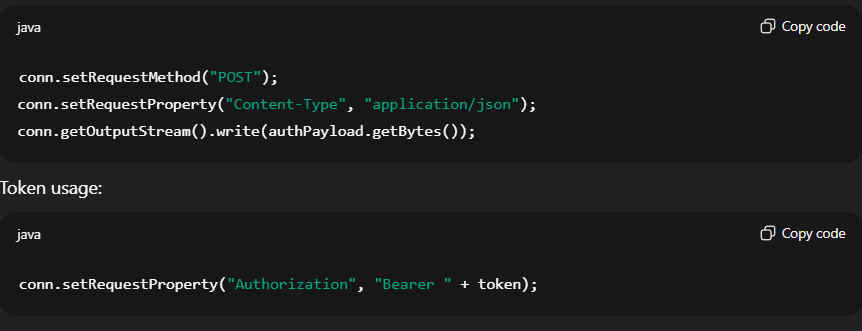
Most APIs require a bearer token generated via an authentication call.

Flow:

  1. Call auth endpoint
  2. Receive token
  3. Pass token in request headers

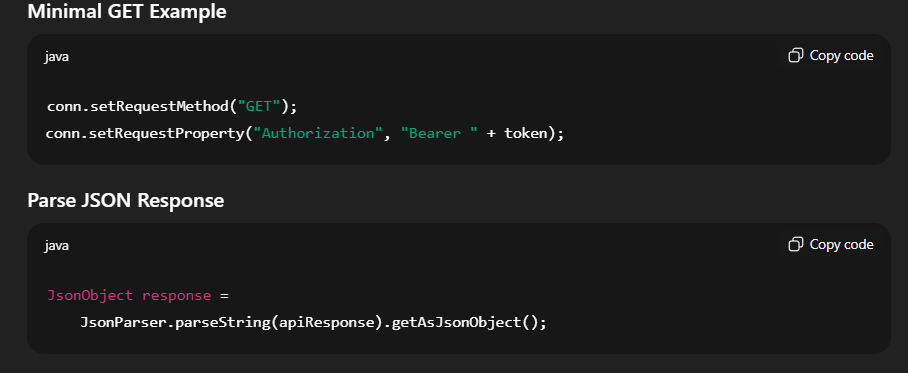
Step 2: GET Request (Fetch Data)

Used to retrieve data like budgets or master records from source systems.

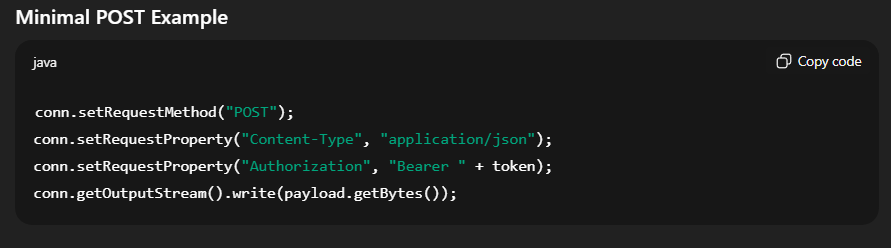
Step 3: POST Request (Create Record)

Used to create records in target systems (e.g. various business processes).

Step 4: PUT Request (Update Record)

Same logic as POST, only method changes.

Error Handling Best Practices

  • Always check response codes
  • Wrap calls in try–catch blocks
  • Log request & response
  • Never hardcode credentials (use config/env files)

Typical Integration Flow

  1. Generate token
  2. Fetch data (GET)
  3. Transform data
  4. Create / Update records (POST / PUT)

Log success & failures

Conclusion

Consuming REST APIs using standalone Java is simple, reliable, and production ready.

Leave a Comment

Your email address will not be published. Required fields are marked *

Scroll to Top