DOWNLOAD FILES FROM UCM VIA SOAP API IN OIC GEN3

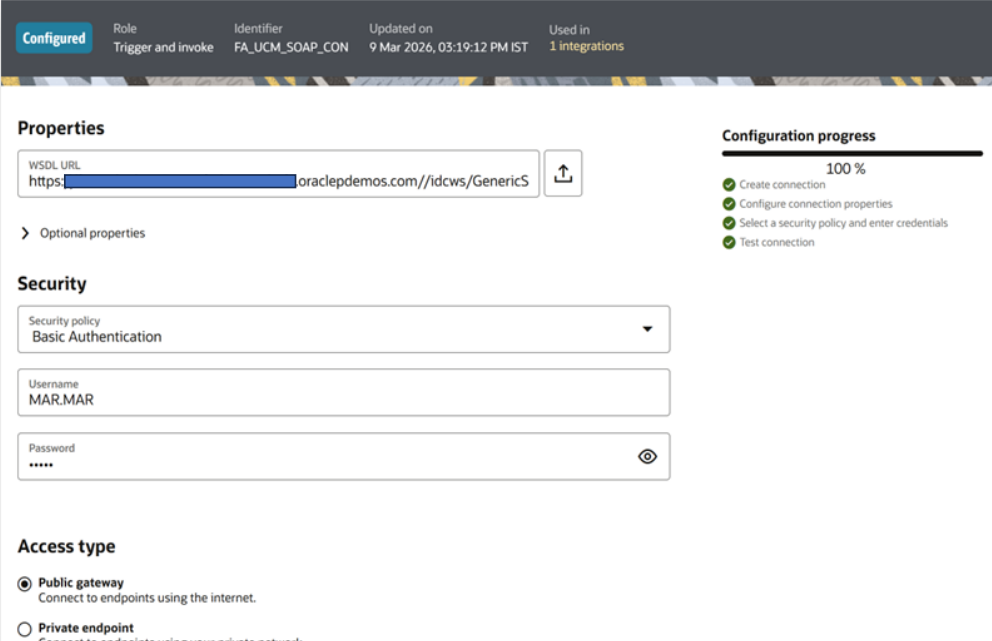
Establish the UCM Connection

Before building the logic, OIC must have a secure handshake with the Oracle Fusion WebCenter Content (UCM) server.

1. Locate the WSDL: Your endpoint is generally: https:///idcws/GenericSoapPort?wsdl.

2. Create Connection: Navigate to Design > Connections and select the SOAP Adapter.

3. Security Policy: Select Username Password Token. 

4. Credentials: Use a service account that possesses the Integration Specialist role in Fusion. 

5. Test: Ensure the connection reaches 100% success

Orchestrate the Integration Flow

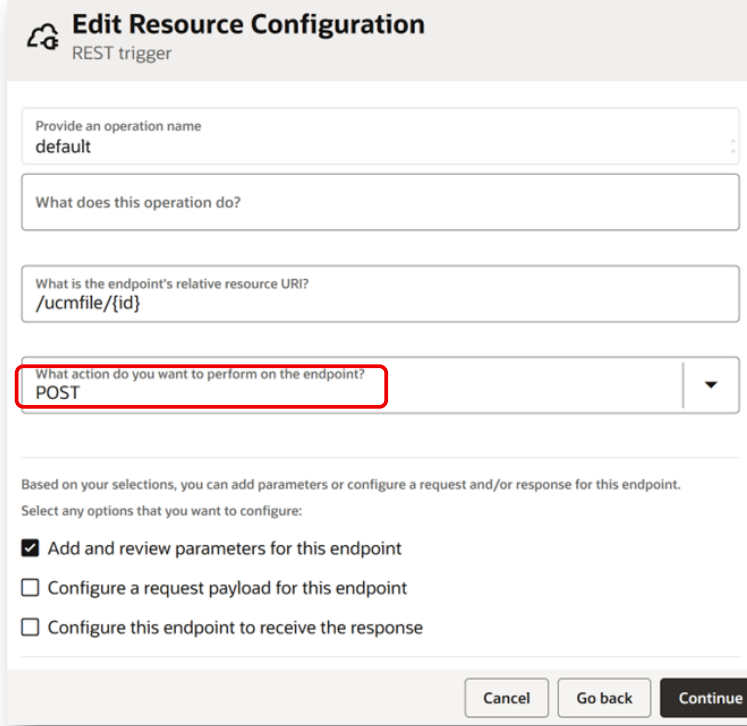
We will use an App-Driven Orchestration to allow a real-time request for a specific file via
its Content ID.
1. Trigger: Use a REST Adapter as the trigger. Define a POST operation that accepts a ContentID as a template parameter or JSON payload.

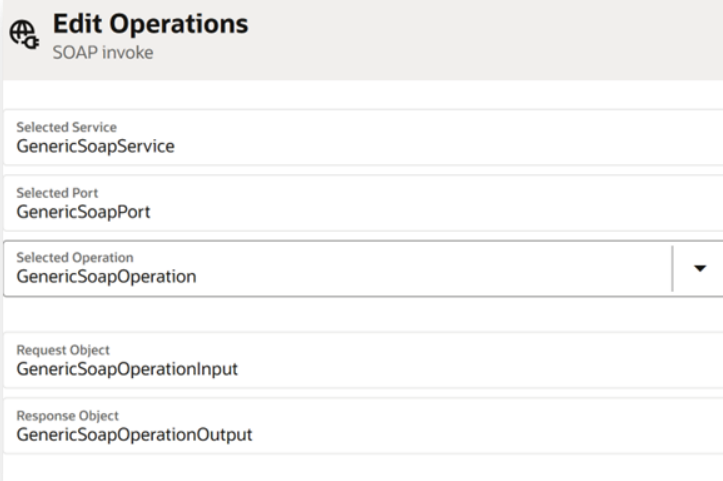
2. Invoke UCM: Drag your UCM SOAP Connection into the flow after trigger.
3. Configure Operation:
o Select operation: GenericSoapOperation. (This operation allows calling multiple UCM services
like getFile ,search)

The Mapping

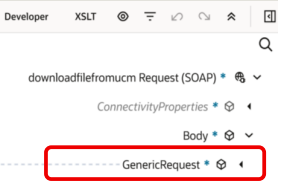
The UCM SOAP API requires specific identifiers to locate a file. In the mapper, expand
the GenericRequest node and define the following:

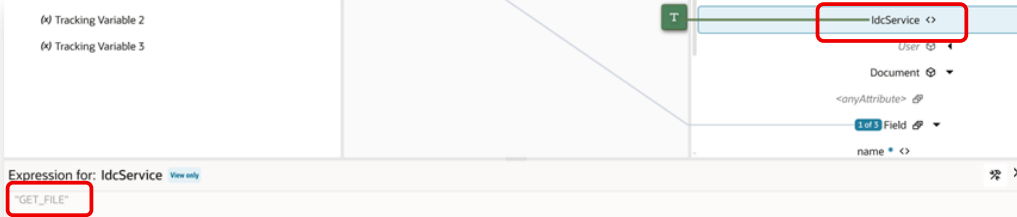
1. IDC Service: Hardcode this string as “GET_FILE”.

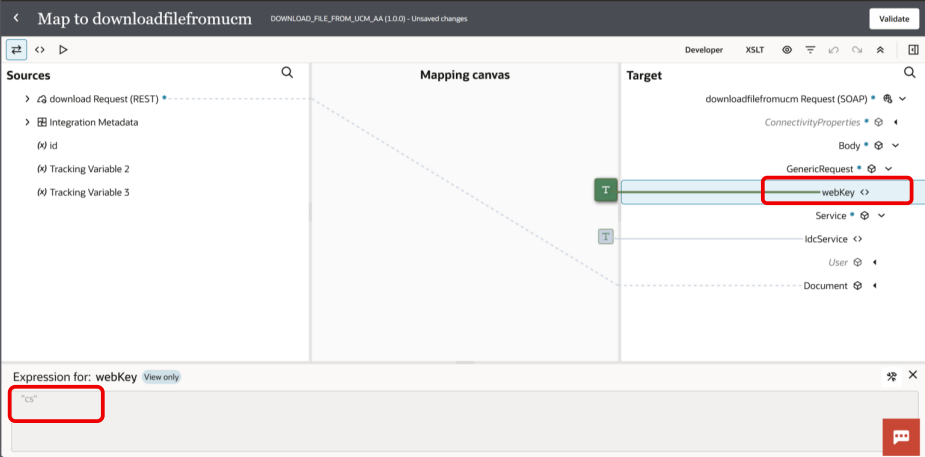
2. WebKey: Hardcode this string as “CS”

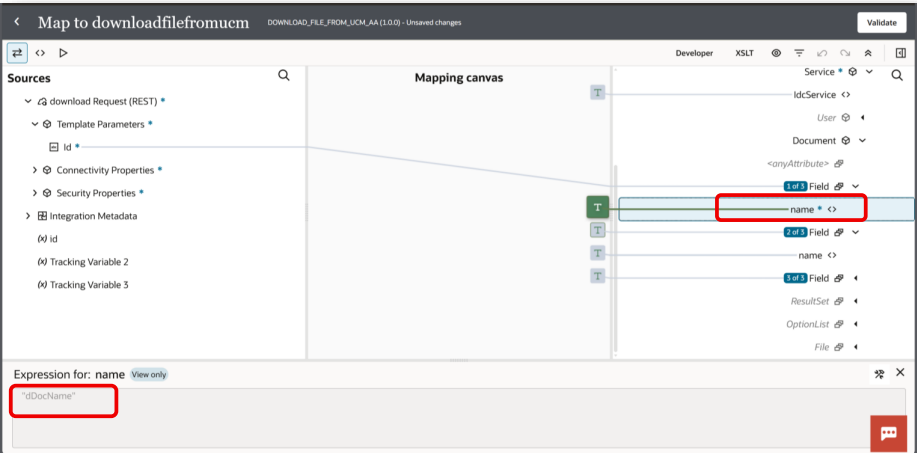
3. Id: Map source id to target field and hardcode “dDocName” in name field.

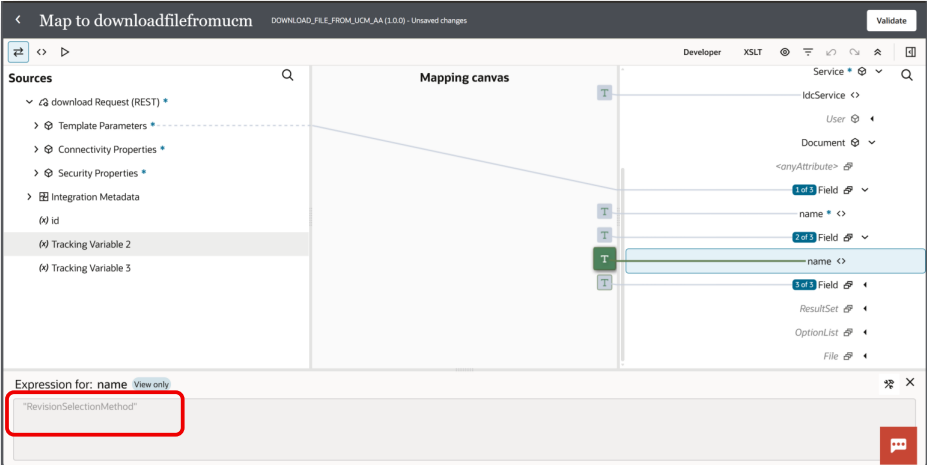
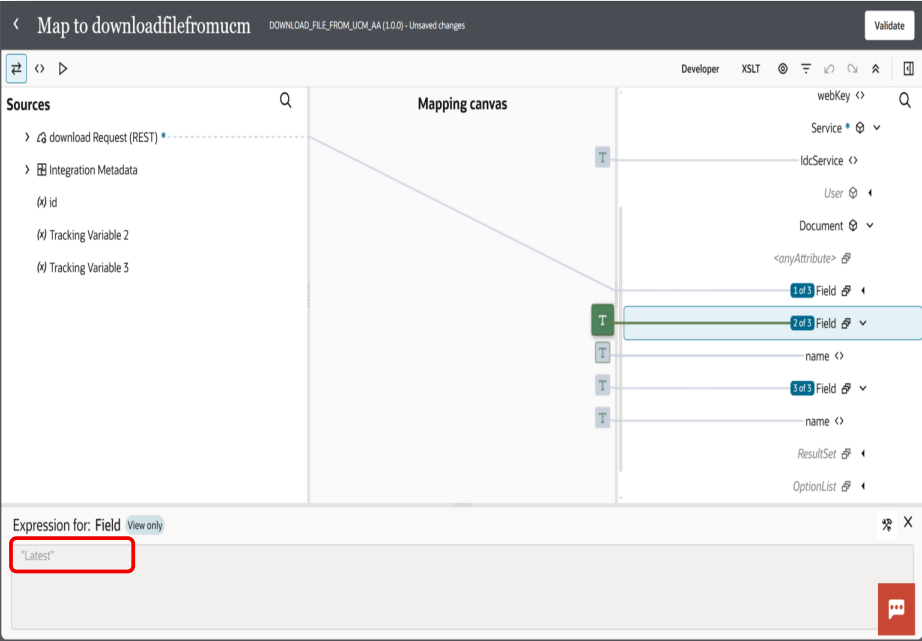
4. Field (Revision Selection): Create a Field node. Set name=”revisionSelectionMethod” and
value”Latest”(If multiple versions exist then pick latest).

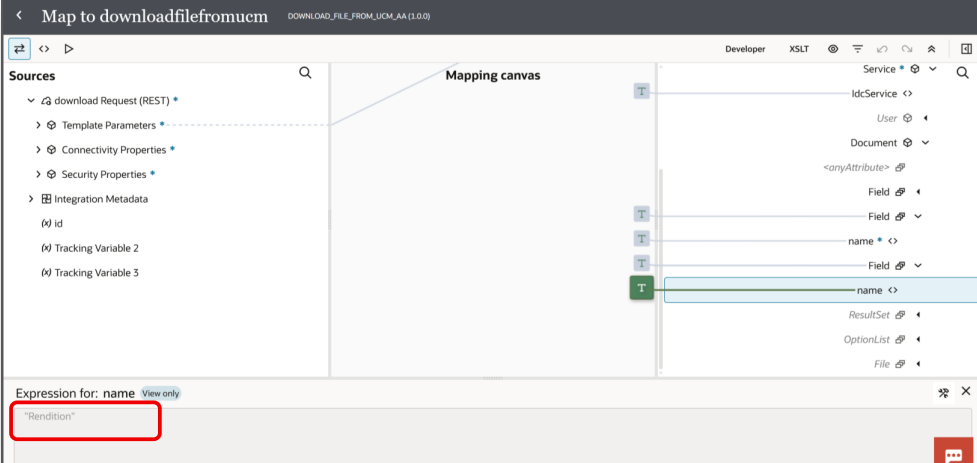
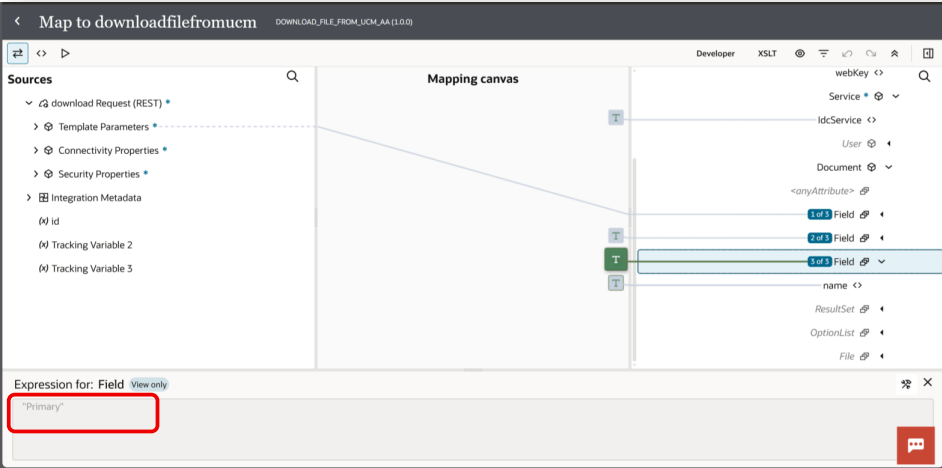
5. Field (Rendition): Create another Field node. Set name=”Rendition” and value=”Primary”(Get main file (PDF, DOC, etc.)).

Creating stage(write) file and mapping

1. Add a Stage File action after the SOAP call.
2. Choose Write File.
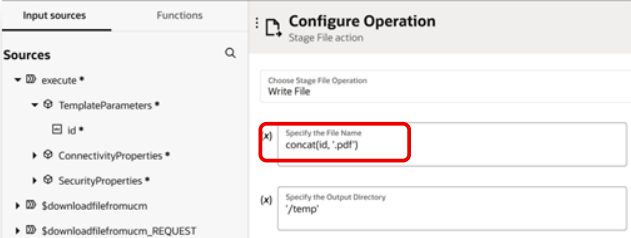
3. File Name: Dynamically name the file (e.g., concat the ContentID with .pdf).

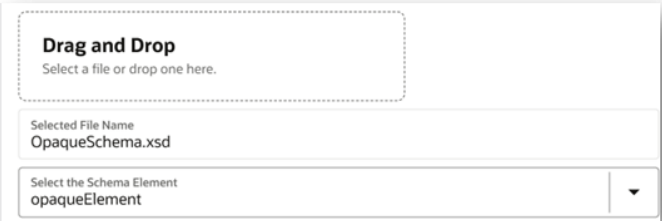
4. Schema: Use an Opaque Schema (opaque.xsd). This allows OIC to handle the raw binary data without attempting to parse it as XML/CSV as our file is binary(pdf,doc) and OIC cannot parse binary as XML

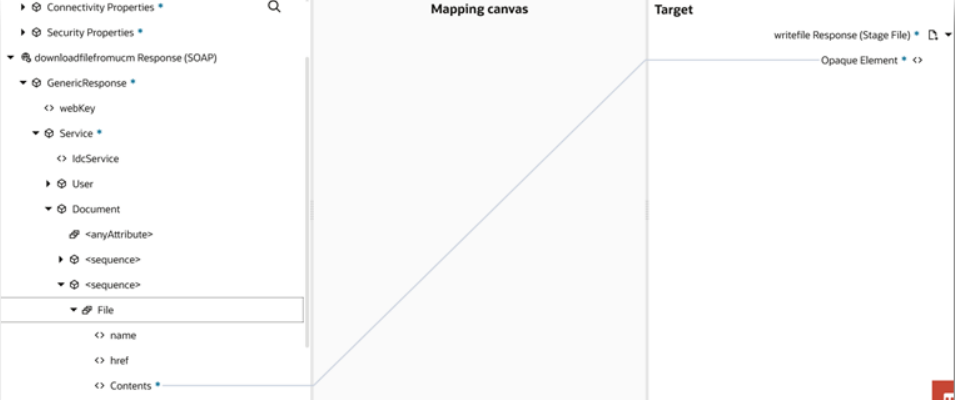
5. Mapping: Map the Content from the UCM response to the Opaque element

Transmit via Notification and test

Now that the file exists in the OIC “Stage” area, you can attach the reference to an email.
1. Add Notification: Configure the To, From, and Subject.
2. Add Attachment: Attach file from the stage file.
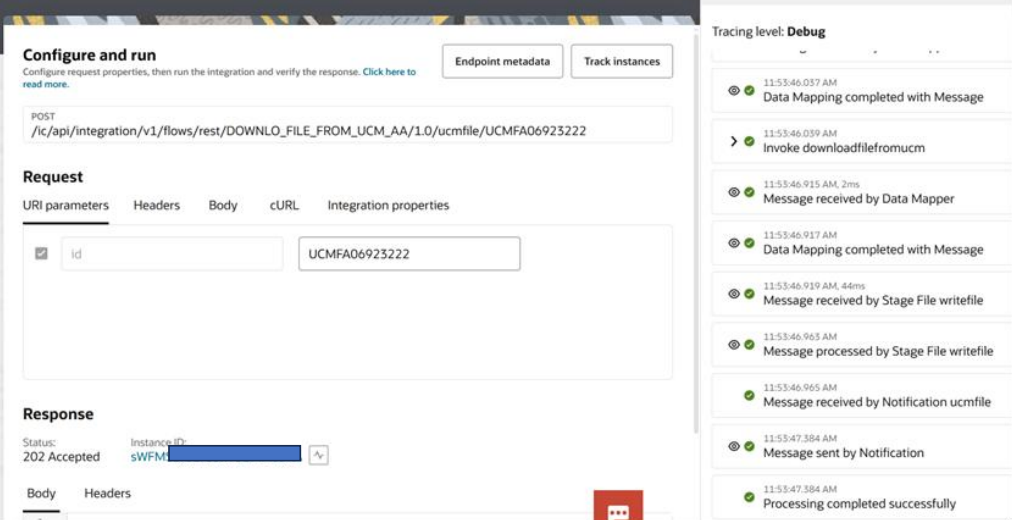
3. Test: Use the Run tool in OIC. Pass a valid ContentID from your Fusion environment and
check.

Leave a Comment

Your email address will not be published. Required fields are marked *

Scroll to Top